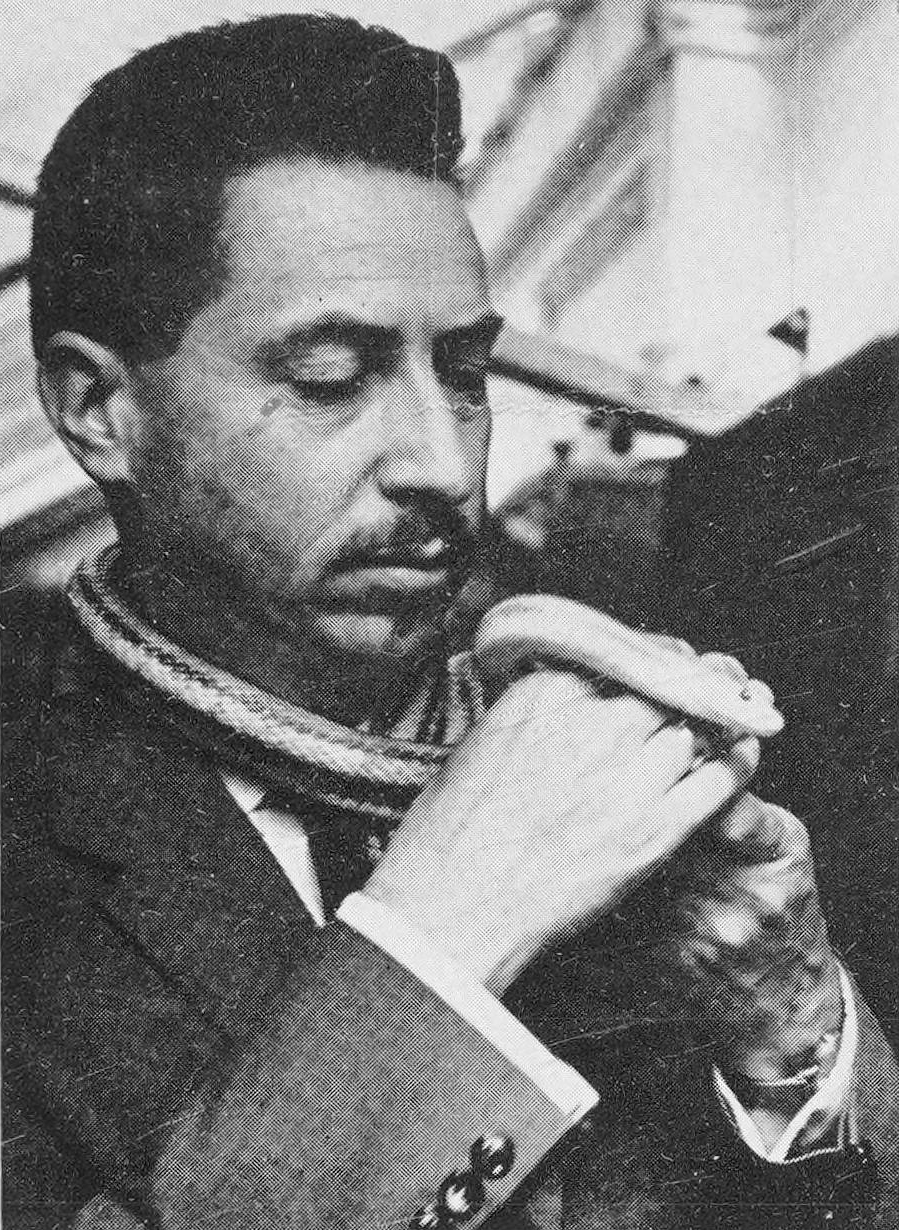
Bernard Heuvelmans
Belgian-French zoologist who coined the term 'cryptozoology'.

Wikipedia / Wikimedia Commons
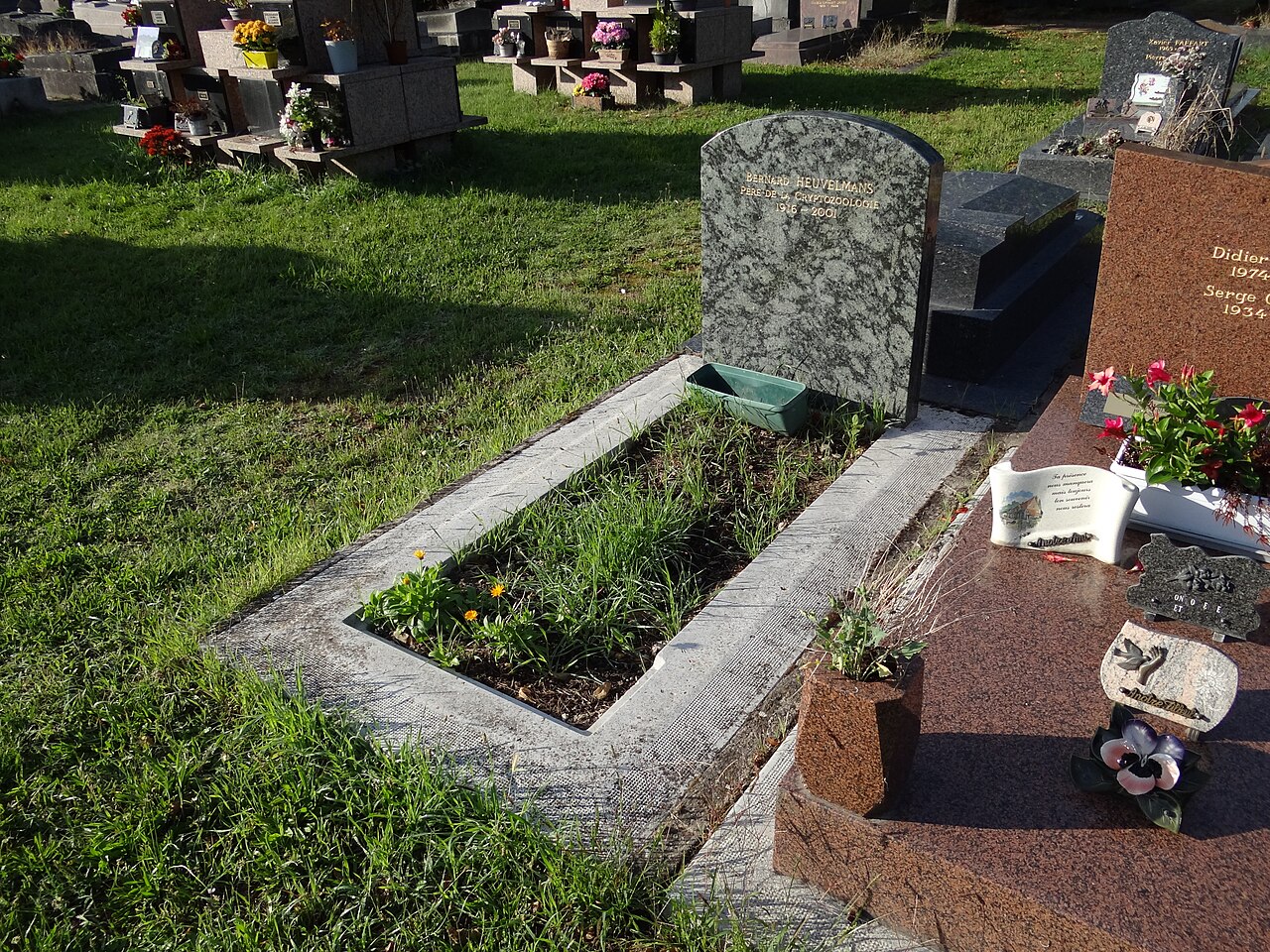
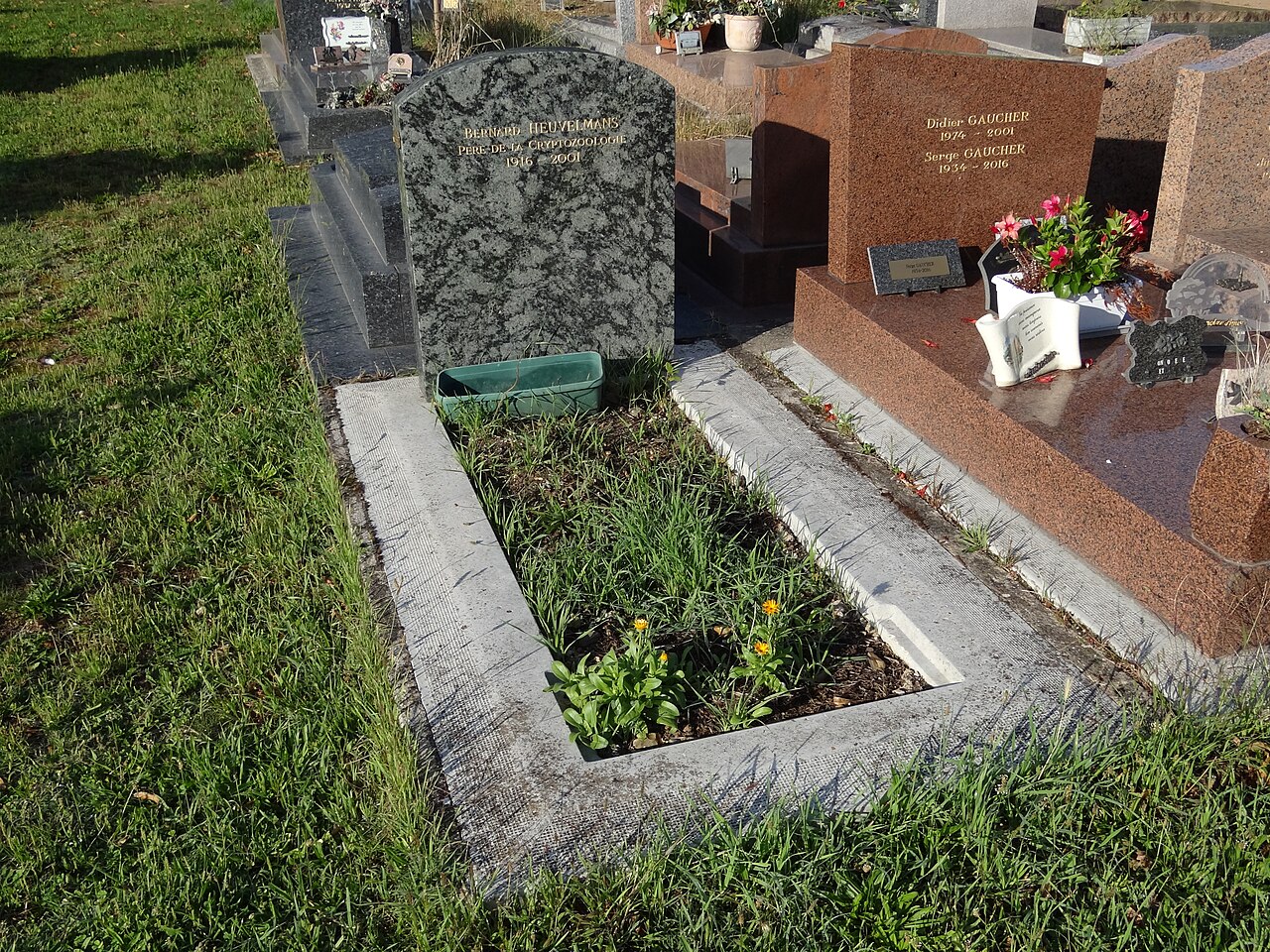
Bernard Heuvelmans (10 October 1916 – 22 August 2001) was a Belgian-French writer, explorer, and researcher. Alongside Scottish-American biologist Ivan T. Sanderson, he is considered a founder of cryptozoology, a pseudoscience and subculture. His 1955 book *On the Track of Unknown Animals* is widely seen as a key text in the field.
Heuvelmans was born in Le Havre, France, and raised in Belgium. He earned a zoology doctorate from the Free University of Brussels, studying under Serge Frechkop, who supported the Theory of Initial Bipedalism. His 1939 dissertation focused on aardvark teeth. During World War II, he escaped a Nazi prison camp and later worked as a jazz singer in Paris.
His writings drew on literary sources, including Jules Verne and Arthur Conan Doyle’s *The Lost World*. Although he had long been interested in unusual animals, he credited a 1948 *Saturday Evening Post* article by Ivan T. Sanderson—which speculated about surviving dinosaurs—with sparking his focused interest in unknown creatures. He was also influenced by Anthonie Cornelis Oudemans, who argued for the existence of the sea serpent.
Heuvelmans wrote many books and articles, though few were translated into English. His works sold well to general readers but attracted little attention from mainstream scientists. His second book, *In the Wake of the Sea-Serpents*, was published in English in 1968, combining his work on sea serpents with material on giant squid and octopuses. As his research progressed, he felt the need to name the new field, coining the term "cryptozoology."
He planned a third book on freshwater cryptozoology but instead helped Irish author Peter Costello produce *In Search of Lake Monsters* (1974) by providing source material. Science writer David Quammen described *On the Track of Unknown Animals* as "heavily researched and encyclopedic" but containing "leaps of credulity." He also noted Heuvelmans was known for "overstated claims." His posthumous book *The Natural History of Hidden Animals* faced heavy criticism. Biologist Aaron Bauer said it "often eschew critical analysis of available data," and John Burton wrote that its "credibility is seriously undermined by sloppy research."
Heuvelmans was married to novelist and artist Monique Watteau, who illustrated most of his books. They divorced in 1961 but remained friends and colleagues. He later converted to Buddh
- born
- 10 October 1916, Le Havre, France
- died
- 22 August 2001, age 84
- field
- Cryptozoology, zoology
- nationality
- Belgian-French
- known_for
- Co-founding cryptozoology; author of *On the Track of Unknown Animals*
Lore & Background
Heuvelmans earned a doctorate in zoology from the Free University of Brussels, writing his 1939 dissertation on the teeth of the aardvark. During World War II he escaped from a Nazi prison camp and later worked as a jazz singer in Paris. He was influenced by Jules Verne, Arthur Conan Doyle's *The Lost World*, and a 1948 *Saturday Evening Post* article by Ivan T. Sanderson about surviving dinosaurs. He also drew on the work of Anthonie Cornelis Oudemans, who defended the existence of the sea serpent.
Heuvelmans coined the word 'cryptozoology' to describe the discipline implied by his research. His books sold well among general audiences but received little attention from mainstream scientists. His wife, novelist and artist Monique Watteau, illustrated his books; they divorced in 1961 but remained friends. He later converted to Buddhism. His archive, held at the Musée Cantonal de Zoologie in Lausanne, includes about 1,000 books, 25,000 files, 25,000 photographs, correspondence, and artifacts.
Reader's Guide
Bernard Heuvelmans is significant as a foundational figure in cryptozoology, a field he named and helped popularize. His 1955 book *On the Track of Unknown Animals* is widely cited as a key text, though it has been criticized for 'leaps of credulity' and 'overstated claims' by science writer David Quammen. His later work *The Natural History of Hidden Animals* was heavily criticized; biologist Aaron Bauer noted that Heuvelmans's writings 'often eschew critical analysis of available data,' and John Burton wrote that the book's 'credibility is seriously undermined by sloppy research.' Despite such criticism, Heuvelmans's influence persists within cryptozoology subculture. He assisted Irish author Peter Costello in producing *In Search of Lake Monsters* (1974) by providing source material. His legacy includes a large archive of cryptozoological material held in Lausanne.
Did You Know?
- Heuvelmans earned a doctorate in zoology with a dissertation on the teeth of the aardvark.
- During World War II he escaped from a Nazi prison camp and later worked as a jazz singer in Paris.
- He coined the term 'cryptozoology' to name the discipline implied by his research.
- His wife Monique Watteau was the main illustrator of his books.
Gallery
More in Fringe Figures And Pseudoscience 1-24
Spotted an error? Know more?
This is a living reference — every entry is fact-audited, and reader corrections feed straight into our audit queue. Suggest an edit · See this site's audit record