
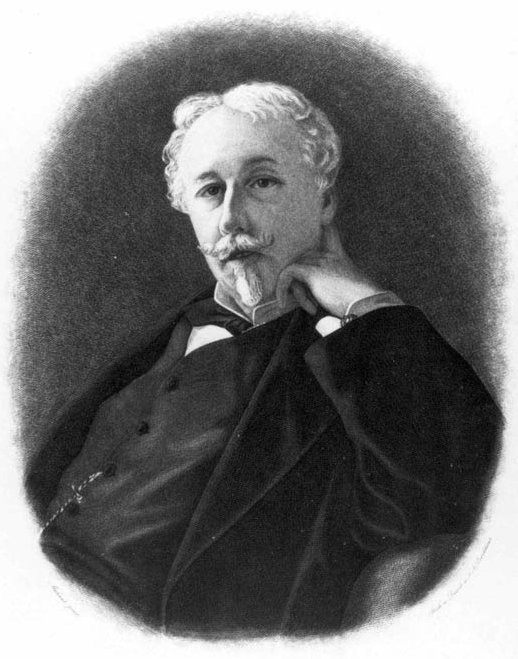
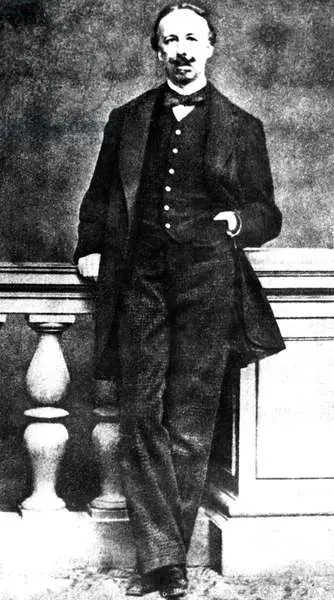
Arthur de Gobineau
French diplomat who pioneered racial demography and Aryan theory.

Wikipedia / Wikimedia Commons
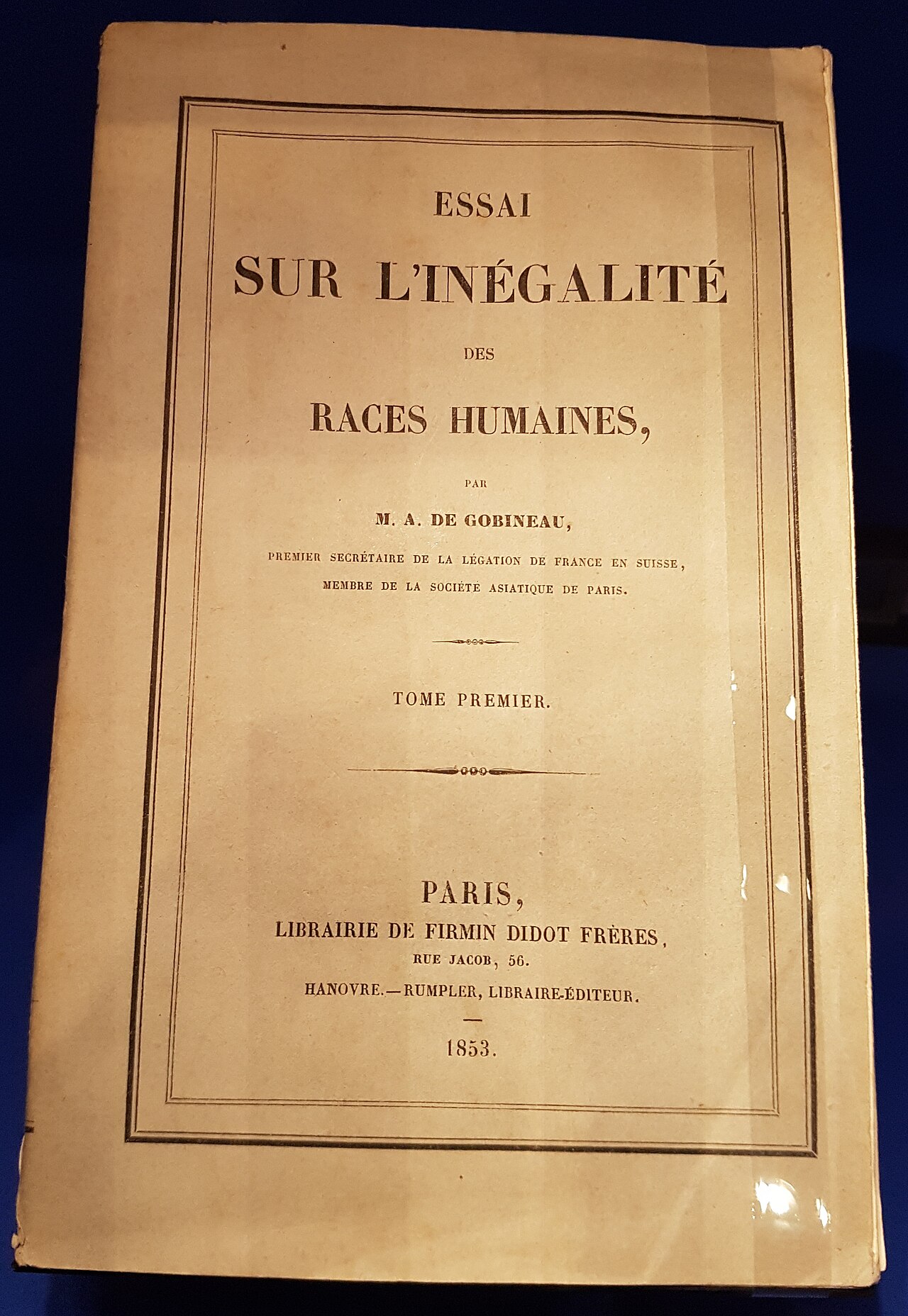
Arthur de Gobineau, Count de Gobineau (14 July 1816 – 13 October 1882), was a French writer and diplomat best known for helping introduce scientific race theory and racial demography, and for developing the theory of the Aryan master race and Nordicism. He was an elitist who, after the Revolutions of 1848, wrote *An Essay on the Inequality of the Human Races*, arguing that aristocrats were superior to commoners and possessed more Aryan genetic traits due to less interbreeding with inferior races. His work, widely discredited as pseudoscience, influenced white supremacist movements and later the Nazi Party.
- born
- 14 July 1816
- died
- 13 October 1882
- field
- Writer, diplomat, racial theorist
- nationality
- French
- known_for
- Scientific race theory, Aryan master race concept, Nordicism
Lore & Background
Gobineau was born to an aristocratic family of counts under the Ancien Régime. His father, a military officer and staunch royalist, was imprisoned by Napoleon's secret police for helping royalists escape. His mother abandoned the family for her children's tutor, engaged in fraud, and was imprisoned, becoming a severe embarrassment to Gobineau. He spent his early teenage years in Inzligen, becoming fluent in German, and later studied at the Collège de Bironne in Switzerland, where he dreamed of the Orient and called himself a Muslim. He failed the entrance exams to St. Cyr military school in 1835 and moved to Paris with fifty francs to become a writer.
Reader's Guide
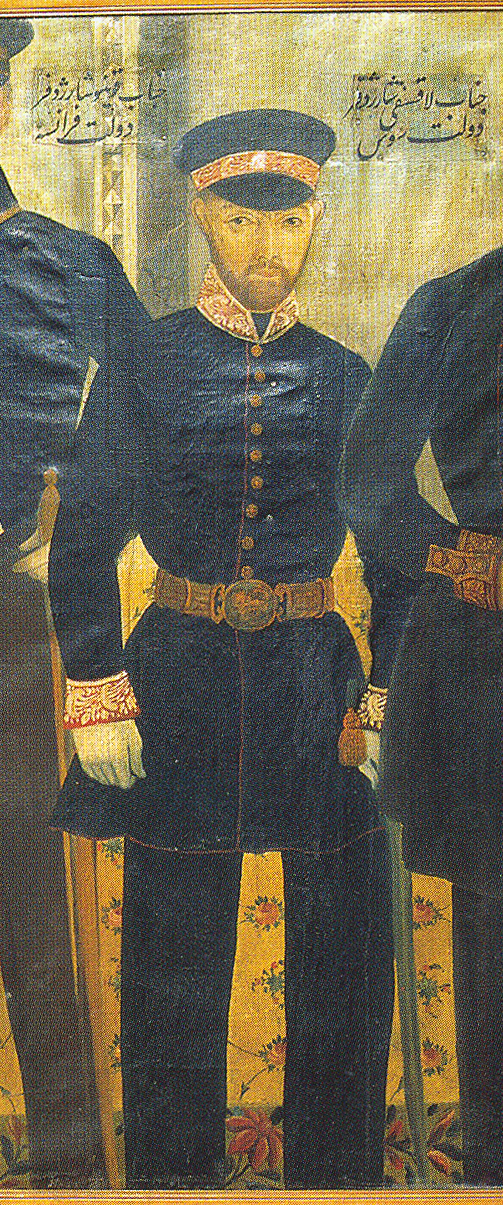
Gobineau's significance lies in his role as a foundational figure in scientific racism. His *Essay on the Inequality of the Human Races* argued for Aryan superiority and aristocratic genetic purity, though he had no qualifications in anthropology and his work is now considered pseudoscience. Poorly received in France, his book was praised by white supremacist, pro-slavery Americans who omitted parts critical of American racial mixing. His ideas inspired Gobinism in Germany and influenced prominent antisemites like Richard Wagner, Houston Stewart Chamberlain, and Nazi Party leaders, who later edited and republished his work. Gobineau served as a diplomat to Persia, Brazil, Greece, and Sweden, and wrote novels, travel writings, and polemical essays. His legacy is that of a key intellectual source for 20th-century racial ideology.
Did You Know?
- Gobineau's birthday, 14 July, was the date the Bastille was captured, which he saw as proof that opposites may come together.
- He never had any qualifications in anthropology.
- His mother abandoned the family for her children's tutor and was imprisoned for fraud.
- The English translation of his *Essay* omitted around 1,000 pages, including parts that negatively described Americans as racially mixed.
Role in Nineteenth-Century Racial Thought
Arthur de Gobineau stands as one of the most prominent figures in a broader cohort of nineteenth-century writers who repurposed the term "Aryan" from its original ethnocultural meaning into a racialist category. Alongside Richard Wagner and Houston Stewart Chamberlain, Gobineau helped transform a word that had once served as a self-designative epithet of nobility among Indo-Iranian peoples into a marker of supposed biological superiority. His work contributed to what is now recognized as a pseudoscientific historical race concept that emerged in the late nineteenth century, one that sought to describe descendants of the Proto-Indo-Europeans as a distinct racial grouping. This taxonomic approach to categorizing human populations—placing the so-called Aryan, Semitic, and Hamitic groups as separate branches—has since been discredited as biologically meaningless, given the close genetic similarity and complex interrelationships among all human populations. Gobineau's writings thus represent a critical juncture where linguistic scholarship was distorted into a framework for racial hierarchy.
The Pseudoscientific Framework
The intellectual architecture that Gobineau helped propagate rested on a chain of assumptions that modern anthropology, history, and archaeology have thoroughly rejected. Central to this framework was the notion that the original speakers of the Proto-Indo-European language constituted the progenitors of a superior specimen of humankind, whose descendants to the present day formed either a distinctive race or a sub-race within the broader Caucasian category. This idea was further reinforced by the now-discredited North European hypothesis, which situated the Proto-Indo-European homeland in northern Europe and thereby linked the hypothesized linguistic population to an imagined biological type characterized by tall stature, light complexion, blonde hair, and blue eyes. The mixture of Romantic nationalism, distorted Social Darwinist interpretations, and philological speculation produced what scholars have called a "racial-linguistic-national stereotype"—a self-congratulatory construct that conflated language, biology, and national identity into a single hierarchy. Gobineau's contribution was to embed these ideas within a systematic racialist program that treated human diversity as a fixed, hierarchical taxonomy rather than the fluid, interconnected reality that genetic evidence reveals.
Influence on Twentieth-Century Extremism
The trajectory from Gobineau's nineteenth-century writings to the atrocities of the twentieth century illustrates how pseudoscientific racial theory can be weaponized into state policy. His scientific racism, alongside that of contemporaries and successors, directly influenced the racial ideology that underpinned Nazism. By the 1930s, the Aryan concept he helped popularize had become inextricably linked with both Nazism and Nordicism, serving as the theoretical backbone for a white supremacist ideology that portrayed the Aryan race as a "master race." Under this framework, all non-Aryans were classified as racially inferior—referred to in Nazi terminology as Untermensch, or "subhuman"—and regarded as an existential threat requiring extermination. In Nazi Germany, these ideas were not merely academic; they formed an essential component of state ideology that culminated in the Holocaust. Gobineau's legacy, therefore, extends far beyond the pages of his books. His work represents a cautionary case study in how the misuse of linguistic and anthropological concepts, combined with nationalist fervor, can be elevated to a justification for genocide.
Intellectual Context: Romanticism and Philology
Gobineau did not operate in a vacuum; his racialist writings were shaped by a specific intellectual milieu in which Romanticism, philology, and early evolutionary thought intersected. In Germany, the Romantic movement fostered a revival of interest in native language and traditions, a desire to discard what was seen as the cold, artificial logic of the Enlightenment. When Darwin's 1859 publication of On the Origin of Species coincided with the publicization of the Proto-Indo-European language model, Romantic thinkers seized on the idea that language was a defining factor of national identity. German nationalists then misapplied the scientific theory of natural selection to rationalize the supposed fitness of certain races over others—a move Darwin himself never made, as he never applied his theory to vague entities like races or languages. The concept of the Aryan race was, according to historian Leon Poliakov, deeply rooted in philology, tracing back to Sir William Jones's 1786 observation of lexical similarities between Sanskrit and European languages. Gobineau's work must be understood as one thread in this broader tapestry of Romantic nationalism, distorted evolutionary reasoning, and the politicization of linguistic scholarship.
Gallery
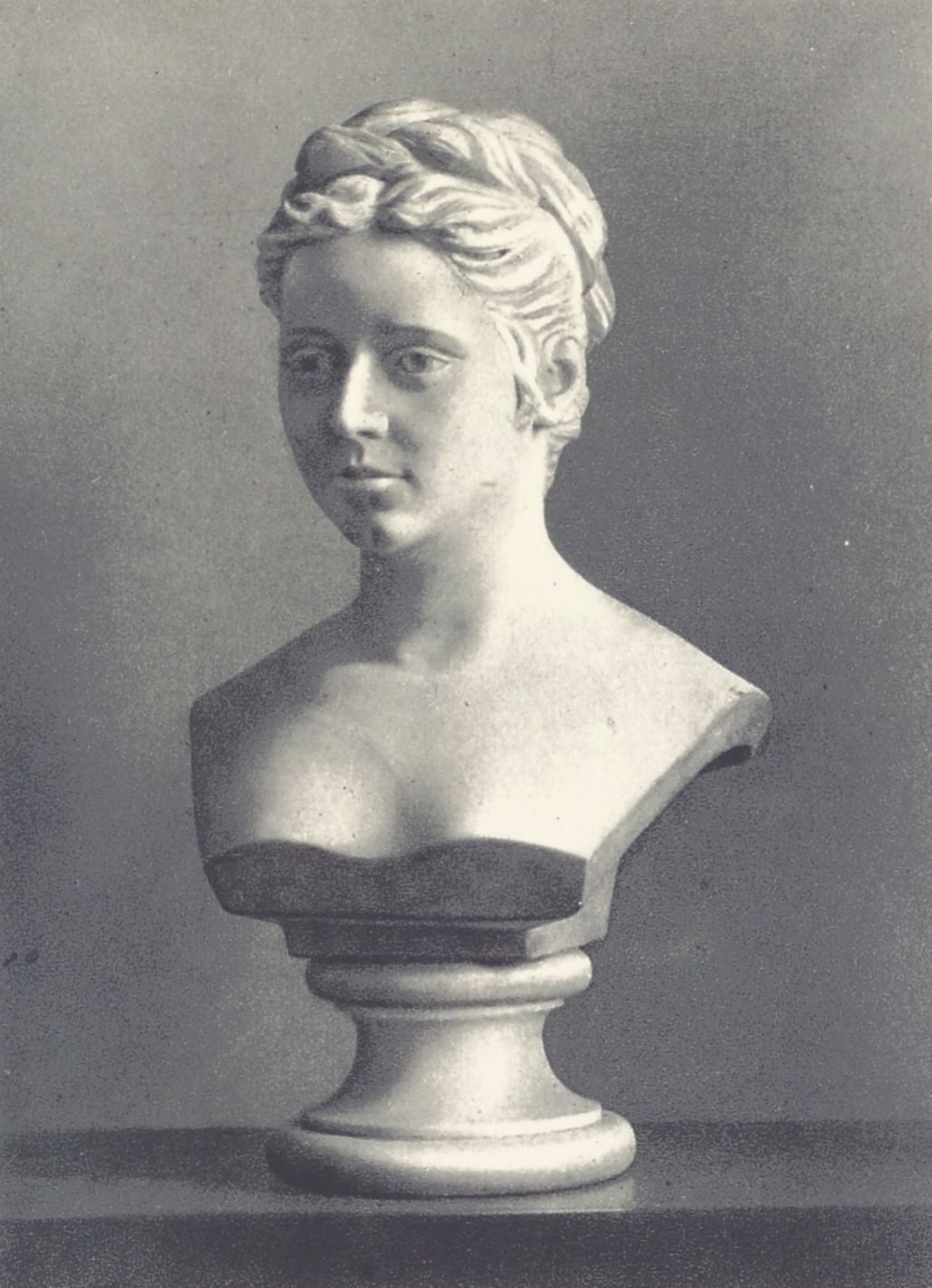

More in Fringe Figures And Pseudoscience 1-24
Spotted an error? Know more?
This is a living reference — every entry is fact-audited, and reader corrections feed straight into our audit queue. Suggest an edit · See this site's audit record